I’ve been reflecting lately, on a couple of new projects I’m working on and how important it is to find a name that isn’t just a brand, but carries real meaning.
Because both projects sit within the pet industry, I started digging into the etymology of the word “pet” across different languages.
I remember discussing this with a Spanish colleague why I’ve never quite liked the word “mascota,” (because it reminds me as something unanimated like a toy) while “pet” feels… somewhat better.
And I say somewhat, because in my mother tongue, Catalan, “pet” actually means “fart.”
Not exactly ideal.
But when you look deeper, the meanings become fascinating.
In English → “Pet”
Comes from the idea of something cherished, a favourite, something you care for deeply.
In Spanish → “Mascota”
Comes from luck, an animal that brings fortune.
In German → “Haustier”
Literally means “house animal”, a being that belongs in your home.
In Portuguese → “animal de estimação”
It is all about affection and emotional value.
Same concept with completely different lenses on the human–animal relationship meaning:
→ Someone who brings you luck.
→ Someone you love and spoil.
→ Someone who lives with you.
So when you name your business, especially in something as emotional and global as the pet industry or pet travel, you’re not just choosing a word.
You’re choosing:
→ A cultural perspective
→ A relationship model
→ A feeling people will attach to what you do
Are pets family members? Companions? Symbols?
The word you choose will carry a deep meaning and shape everything you do 🧡
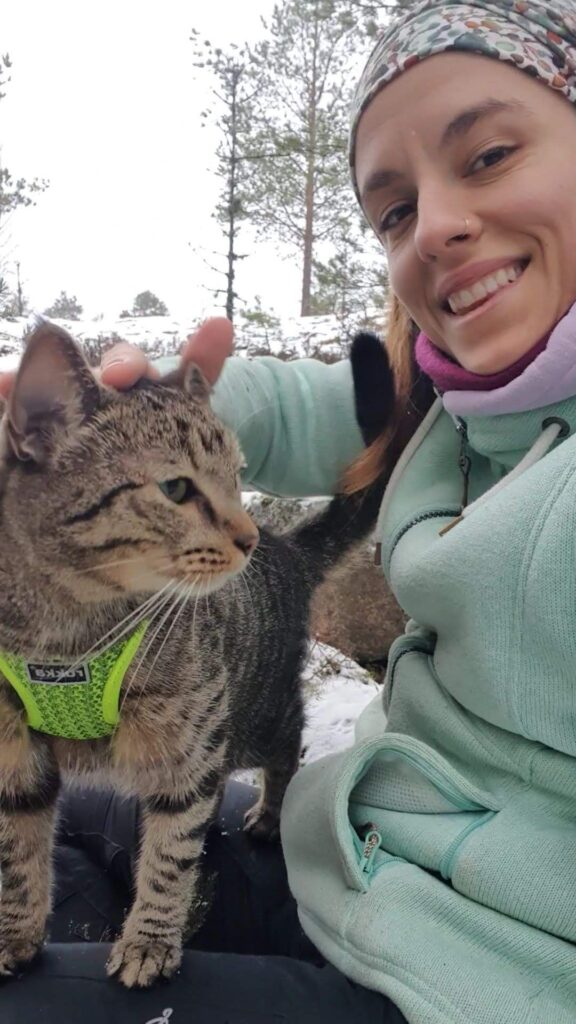
Pic. Funky and I somewhere in Lapland
LinkedIn original post: https://www.linkedin.com/posts/angels-bosch