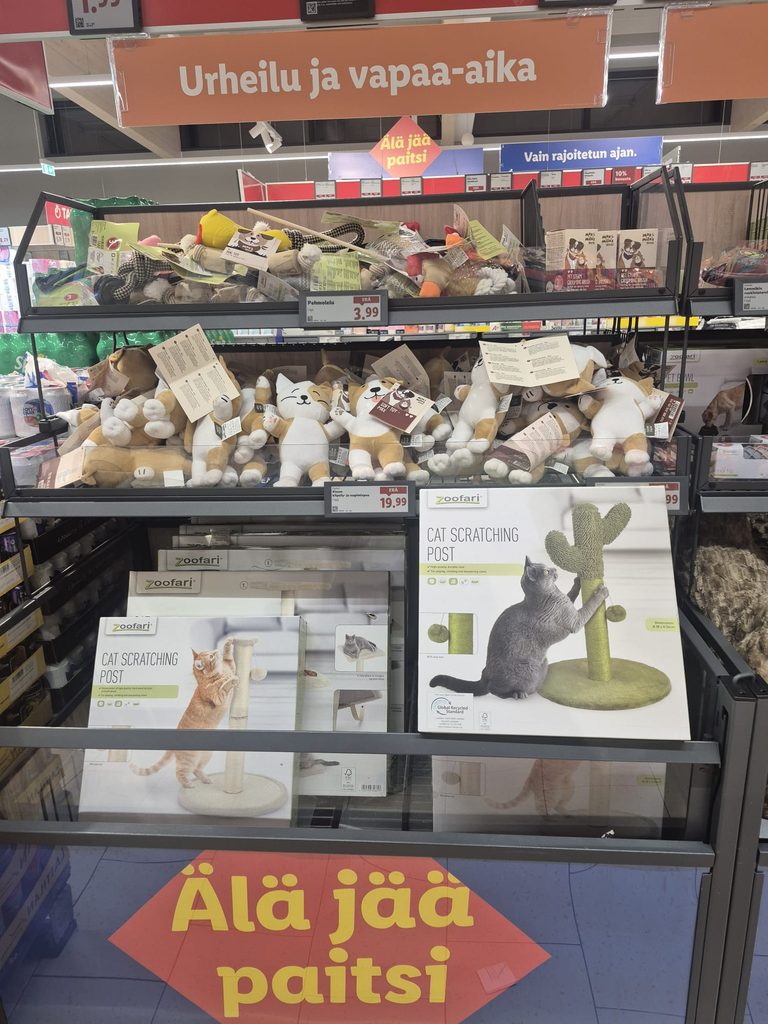
It sounds crazy but this case is very real.
You took the campaign that worked at home, translated it with AI, and it landed flat. The locals can tell.
This is what translation can’t fix.
AI translators swap your words. It does not swap the assumptions baked into them. The joke that works in Spain falls silent in Finland. The warm, expressive tone that builds trust in Barcelona reads as overselling in Helsinki. The reference everyone gets at home means nothing abroad.
Language is the easy 20%. The hard 80% is everything underneath:
▪️ What people here find credible, and what makes them suspicious
▪️ How much emotion is too much
▪️ The local proof they actually trust
▪️ The claim you can make, and the one a local would never believe
I’ve watched a good brand spend real budget (for a year!) translating campaigns with AI and still sound foreign, because nobody localised the meaning, only the words.
If your comms feel slightly off in a new market and you can’t name why, that gap is usually where the money is leaking.
Translation gets you understood. Localisation gets you believed.
And in a new market, belief is the whole game.
The strategy for capturing demand is fundamentally different from the strategy for creating it. The former requires a partner; the latter, a narrative.
Hire that one expert. One that has been in the trenches. For years.
And knows both markets well 🧡
Linkedin original post: https://www.linkedin.com/posts/angels-bosch